
 Ryken
Ryken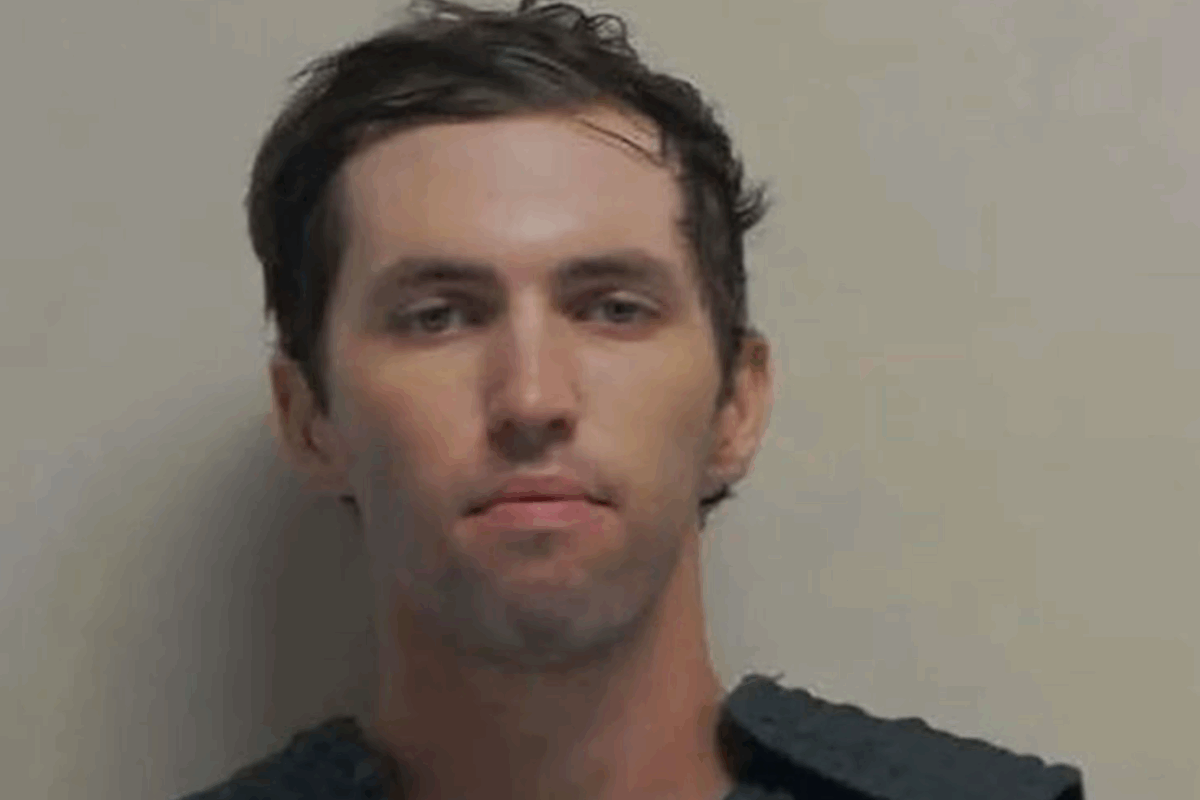
The fatal shooting of conservative activist Charlie Kirk at Utah Valley University continues to unfold like a story pulled from a grim true-crime podcast. And now, new court documents show how the suspected gunman, Tyler Robinson, may have left a digital trail that ultimately exposed his plan.
A Plan Hidden in Plain Sight
According to filings released on Friday, Robinson — just 22 years old — allegedly shared his intentions with his college roommate through encrypted messages. Those texts included details about retrieving a rifle stashed in the bushes, wrapped in a towel, and even his visual surveillance of the hiding spot.
Investigators say the chilling nature of the exchanges painted a clear picture: this wasn’t just idle talk, but the step-by-step preparation of an assassination attempt.
Etched Messages on Bullets
One of the most disturbing revelations came in the form of shell casings. Prosecutors allege Robinson inscribed phrases like “Hey fascist! Catch this!” onto the very bullets he would later fire at Kirk. Three other casings reportedly bore similar markings — part taunt, part manifesto, scrawled in metal.
Red Flags in Discord Chats
It wasn’t just private texts. Robinson’s roommate told police that he also made suspicious jokes on Discord, the chat platform popular among gamers and subcultures alike. Those digital breadcrumbs, combined with the encrypted messages, gave authorities enough reason to demand access to his full online communications.
The Escape and the Rifle in the Woods
Surveillance footage from the day of the shooting shows Robinson fleeing the scene after firing from the rooftop of a campus building. Police later recovered what they believe to be the murder weapon: a bolt-action rifle, wrapped in a dark towel and hidden in a wooded area near the university.
The discovery matched the description Robinson himself allegedly sent in his earlier messages.
Building the Case
By Friday, just a day after his arrest, Robinson had been formally charged with first-degree murder. Investigators say the combination of digital evidence, physical surveillance, and recovered weaponry formed the backbone of their case.
It’s a stark reminder of how modern investigations no longer rely solely on eyewitness accounts or forensic science. Today, text threads, chat logs, and digital trails are often as crucial as fingerprints.
What Comes Next
As the case heads to trial, many questions remain: How long had Robinson been planning the attack? Were there others aware of his intentions? And what role, if any, did online communities play in fueling his actions?
For now, what’s clear is that technology — the very platforms that allowed Robinson to leak his plans — also became the tools that unraveled them.